How Long Does It Take to Inflate a Tire?
A small tire top-up often takes a few minutes. How long it takes to inflate a tire depends on tire size, starting pressure, target pressure, and inflator output.
On this page (8 sections)
- How long does it take to inflate a tire?
- What changes how long tire inflation takes?
- How long does it take to fill a tire from flat?
- How can you estimate tire inflation time?
- How do you inflate a tire safely without wasting time?
- Does an inflator’s airflow tell you its fill time?
- How long should you let an inflator run?
- Which inflator should you choose for your tire?
A small top-up often takes a few minutes, but how long it takes to inflate a tire depends on its size, how low it is, and the inflator’s output. Filling a tire from flat usually takes much longer than adding a few PSI.
Start with the vehicle’s recommended cold-tire pressure and stay with the tire while it inflates. A strong connection, a pressure gauge, and an inflator suited to your tire can save time and help prevent overinflation.
How long does it take to inflate a tire?
Plan on a few minutes for a small passenger-car top-up. A tire that needs more air, has greater volume, or is connected to a slower inflator can take longer.
ETENWOLF says its Vortex S6 fills a 31 in tire from 30 to 35 PSI in 1 minute. That’s a useful reference for a 5 PSI top-up under those specific conditions, not a general promise for other tires.
Its built-in battery means you don’t need to connect it to a vehicle power source while inflating. Charge it before a trip, set the target pressure, and let the automatic stop handle the shutoff.
What changes how long tire inflation takes?
Tire volume, the pressure increase needed, and the inflator’s airflow shape the fill time. A large tire needs more air, and a tire starting far below its target needs a longer run.
A 5 PSI increase in a tire already close to its target is a smaller task than bringing a nearly flat tire up to pressure. A puncture, damaged valve, or other leak can also make inflation slow or stop the tire from holding air.
A loose hose connection wastes time and may cause air loss. Attach the chuck securely, then watch the gauge as pressure rises.
How long does a 5 PSI top-up take?
A 5 PSI top-up can take about a minute or a few minutes, depending on the tire and inflator. The Vortex S6 example is 1 minute for a 31 in tire from 30 to 35 PSI.
Use that example as a reference only when your tire and pressure change are similar. A smaller tire may need less time, while a larger tire or a lower starting pressure may need more.
How long does it take to fill a tire from flat?
A fill from flat can take much longer than a small top-up, and the tire may be unsafe even if it holds air briefly. The time depends on tire size, inflator output, and whether air is escaping.
If pressure drops again, check for a puncture, valve issue, or other damage. Don’t treat inflation as a repair or drive on a tire that won’t hold pressure.
Fanttik gives a 36-second fill example for an R17 tire with its X10 Pro Max, but the example doesn’t state a starting and target pressure. It can’t tell you how long a fill from flat will take.
Set the target before inflating and watch the display as pressure changes. If the reading seems uncertain, check it with a separate tire gauge.
How can you estimate tire inflation time?
Compare fill examples only when the tire size and pressure change match your task. A brand’s time estimate is a reference for that specific combination, not a universal calculation.
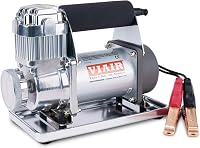
The Vortex S6 example covers a 5 PSI increase on a 31 in tire. VIAIR gives an example of filling a 225/60/18 tire in 50 seconds or less with its 88P, but that does not guarantee a time for every tire or starting pressure.
The VIAIR 88P is a 12V compressor with a built-in pressure gauge and a 25-minute duty cycle at 30 PSI. Its battery-clamp setup fits drivers who want a compressor powered by the vehicle battery rather than a cordless inflator.
Follow the duty-cycle guidance during longer jobs. For the steps to connect a compressor and fill a tire, see how to fill tires with an air compressor.
How do you inflate a tire safely without wasting time?
Check the vehicle’s recommended cold pressure before you start, then stop at that target. Look for the pressure on the vehicle’s tire information label or in its manual, rather than using the maximum pressure printed on the tire sidewall.
Remove the valve cap and connect the hose securely. If the inflator has an automatic stop, set the target first; with a manual inflator, pause to check pressure as you get close.
After disconnecting, recheck the pressure. If removing the chuck caused a small loss, add air in short bursts and check again before replacing the valve cap.
Don’t overinflate to finish faster. Pressure rises as tires warm during a drive, so follow the cold-pressure recommendation and see how often to check tire pressure for a regular routine.
Does an inflator’s airflow tell you its fill time?
Airflow helps compare inflators, but it can’t give an exact tire fill time on its own. Tire volume, pressure, and the conditions behind a stated fill example all matter.
The Vortex S6 is rated at 1.5 CFM at 0 PSI, while the VIAIR 88P is rated at 1.47 CFM. Those figures are measured at zero pressure, so they don’t mean either compressor keeps that flow while filling a tire at road pressure.
The X10 Pro Max is rated at 17 liters per minute. Its 36-second fill example refers to an R17 tire, so use the example only as a rough comparison when your task is similar.
For more options, compare the best 12V air compressors for car and truck tires. If you need to choose between a portable inflator and a larger compressor, read whether a tire inflator can be used as an air compressor.
How long should you let an inflator run?
Follow the inflator’s duty-cycle guidance and stop if it becomes too hot. Some models need rest breaks during longer jobs, so check the instructions before filling several tires.
VIAIR specifies a 25-minute duty cycle at 30 PSI for the 88P. ETENWOLF describes the Vortex S6 as having a 100% duty cycle and says it can continuously inflate all four tires of an F150 from 0 to 35 PSI.
If the fill is slower than expected, check the hose and valve connection before letting the inflator keep running. Stop if air escapes or the tire won’t hold pressure.
Which inflator should you choose for your tire?
Choose based on your power source, tire size, and the pressure changes you expect to handle. The right match makes routine top-ups easier, while a leaking or damaged tire needs attention beyond inflation.
Choose the Vortex S6 if you want a cordless option with a stated example for a 31 in tire. Pick the X10 Pro Max if a cordless inflator with a pressure display and automatic stop suits your routine.
Choose the VIAIR 88P if you prefer a 12V compressor powered by vehicle battery clamps.
To estimate how long it takes to inflate a tire, compare fill examples that match your tire size and starting pressure, then follow your vehicle’s cold-pressure target. Use the tire-filling steps for an air compressor if you need help with the connection and fill process.
Frequently asked questions
How long does it take to add 5 PSI to a car tire?
Adding 5 PSI often takes a few minutes, though the tire size and inflator affect the time. For example, ETENWOLF gives a 1-minute fill time for a 31 in tire from 30 to 35 PSI with its Vortex S6.
Use your vehicle’s recommended cold pressure as the target.
How long does it take to fill a tire from flat?
A fill from flat takes longer than a small top-up, but the time varies with tire size and inflator output. A tire with a puncture or other damage may not hold air.
Don’t drive on it just because you managed to inflate it.
Can I inflate a tire while it is hot?
Add air when needed, but remember that driving warms tires and raises their pressure. Check tires cold when possible.
If you must adjust a warm tire, follow the vehicle manual’s guidance instead of bleeding air to match a cold-tire target.
Does a more powerful inflator fill tires faster?
Higher airflow can shorten inflation time, especially on a larger tire, but stated fill times apply to specific tire sizes and pressure changes. Compare examples that match your task, and follow the inflator’s duty-cycle guidance for longer jobs.