VIAIR 88P vs 300P: Which Portable Compressor to Buy? (November 2026)
The VIAIR 300P is the better buy for most drivers who inflate larger tires, while the 88P is the lighter, simpler kit for cars and light trucks. In this VIAIR 88P vs 300P comparison, air flow and duty cycle matter more than the small jump in price tier.
On this page (8 sections)
- VIAIR 88P vs 300P side by side
- Air flow decides how fast each tire fills
- Duty cycle sets how long each one can run
- Power hookup and hoses: how each kit reaches the tires
- Which VIAIR kit suits your rig?
- When a smaller compressor makes more sense
- How to choose between the 88P and 300P
- Verdict: which portable compressor should you buy?
The VIAIR 300P is the better buy for most drivers who inflate larger tires, while the 88P is the lighter, simpler kit for cars and light trucks. In this VIAIR 88P vs 300P comparison, air flow and duty cycle decide more than the small step up in price tier.
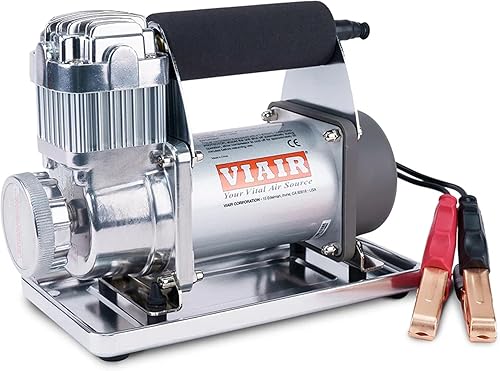
Both are 12-volt compressors from VIAIR that clamp to the battery and handle tires up to 33 inches. The 300P moves more air and runs longer, while the 88P weighs about half as much.

VIAIR 88P vs 300P side by side
The 300P wins on flow and duty cycle, and the 88P wins on weight and simplicity. Neither one plugs into a cigarette lighter; both need alligator clamps on the battery.
The 300P delivers 2.30 CFM at up to 150 PSI with a 33% duty cycle. The 88P delivers 1.47 CFM at up to 120 PSI, with a 25-minute duty cycle at 30 PSI.
| Product | Best for | Maximum pressure | Air flow | Duty cycle | Our score |
|---|---|---|---|---|---|
| VIAIR 300P | trucks and SUVs | 150 PSI | 2.30 CFM | 33% | 8.9 |
| VIAIR 88P | cars and light trucks | 120 PSI | 1.47 CFM | 25 minutes at 30 PSI | 8.5 |
That 2.30 CFM against 1.47 CFM is the real story. The 300P fills a tire faster, and its 33% duty cycle lets it keep running longer before you let it cool.
Weight tells the other side. The 300P is 8.7 pounds, and the 88P is about 4.8 pounds.
If the kit lives in a small trunk or gets carried to the trail, the 88P is easier to handle.
The hose lengths differ too. The 300P uses a 25-foot hose with a 5-in-1 inflator/deflator and inline gauge.
The 88P uses a 16-foot hose, a 10-foot power cord, a built-in pressure gauge and an LED work light.
The electrical load also separates them. The 300P draws up to 30 amps at 414 watts.
The 88P draws up to 20 amps at 276 watts. On a small car with a modest battery, the 88P asks less of the electrical system.
Air flow decides how fast each tire fills
The 300P fills faster because it moves more air per minute. For one tire, the gap feels small; for four tires or a set of off-road tires, it adds up.
The 300P's 2.30 CFM is about 56% more free-flow air than the 88P's 1.47 CFM. Free-flow ratings don't translate straight into tire-fill time, but the ranking holds.
Picture a typical truck or SUV tire that needs a few PSI after a week. The 300P reaches the target quickly.
The 88P does the same job, just slower.
Now imagine airing down for a trail day and back up afterward. Four big tires ask a lot from a small compressor.
The 300P's extra flow saves minutes per session and asks less of the motor.
The 88P's lower flow matters less on passenger cars and light trucks. If your usual job is topping up one tire to the door-jamb pressure, the 88P's 1.47 CFM is enough.
What the flow gap means in practice
The 300P's 2.30 CFM suits repeated fills and larger tire volumes. The 88P's 1.47 CFM suits occasional top-ups and smaller tires.
If you air up after every trail run or tow a trailer, choose the 300P. If your compressor mostly waits in the trunk for a slow tire, the 88P covers it.
One more thing to note: VIAIR says the 88P fills a 225/60/18 tire in 50 seconds or less. That is a common passenger-car size, and it shows the 88P is not slow on the tires it was built for.
The 300P's advantage grows as tire volume grows, not on small car tires.
Duty cycle sets how long each one can run
The 300P runs longer between breaks, which matters for four-tire jobs. The 88P asks for a rest sooner, so plan your fills around that.
The 300P carries a 33% duty cycle. In practical terms, that's about 1 minute of running for every 2 minutes of rest, measured over a full cycle.
The rating is stated at 100 PSI, so it reflects real working pressure rather than a no-load number.
The 88P is rated for 25 minutes at 30 PSI. That's a long window for topping up tires, but repeated high-pressure fills still call for care.
The two ratings are not measured the same way, so read them as guides rather than a strict head-to-head score.
A 33% duty cycle does not mean you can ignore heat. It means the compressor is built to handle longer runs than the 88P within its cycle.
For a single tire, neither limit gets in the way. For four tires in a row, the 300P's longer cycle is the practical advantage.
The 88P's 25-minute window at 30 PSI is generous for its class. Just keep an eye on the clock when you fill several tires at higher pressures.
Reading a duty cycle without overthinking it
A 33% rating means the motor is designed to spend about a third of a longer session running. It gives you room to fill several tires in one sitting, as long as you let the unit cool between bursts.
The 88P's 25-minute figure describes how long it can run at a set pressure. It is a useful window for normal tire top-ups, but it tells you less about repeated high-pressure work.
For most drivers the practical takeaway is simple. The 300P tolerates a longer session, and the 88P prefers shorter bursts with rest in between.
Power hookup and hoses: how each kit reaches the tires
Both connect to the battery with alligator clamps; the 300P gives you more hose reach. Neither runs from a 12-volt socket, so plan for the hood being open.
The 300P includes an 8-foot power cord and a 25-foot air hose. The 88P includes a 10-foot power cord and a 16-foot hose.
That 25-foot hose makes the 300P easier on long-wheelbase trucks and trailers. You can often leave the compressor by the battery and walk the hose to each corner.
The 88P's 16-foot hose covers most cars and many SUVs. On a longer truck you may need to move the compressor closer to the far wheel.
Its longer 10-foot power cord partly offsets that, since the clamps can reach farther from the battery.
The 300P's kit also includes a 5-in-1 inflator/deflator with an inline 100 PSI gauge. The 88P uses a built-in pressure gauge plus an LED work light and a brass twist-on chuck.
Both kits ship with a carry bag. The 300P uses a deluxe dual-compartment bag; the 88P uses a durable canvas case with a handle.
The 300P's bag also has an anti-vibration tray, which helps keep the kit settled in a truck bed.
Which kit is easier to store and carry?
The 88P is the easier kit to store. At about 4.8 pounds and 9.8 x 3.2 x 5.6 inches, it tucks into a trunk corner or a side compartment.
The 300P weighs 8.7 pounds and measures 9 x 4.9 x 7.5 inches. The bigger bag takes more room, but it holds the longer hose and the gauge.
If space is tight in a compact car, the 88P is the one to grab. For a truck or SUV with a roomy cargo area, the 300P's bag fits without trouble.
Which VIAIR kit suits your rig?
Pick the 300P for trucks, SUVs, Jeeps and off-road tires up to 33 inches; pick the 88P for cars and light trucks with simple inflation needs. Your tire size and how often you fill decide it.
The 300P's 2.30 CFM and 33% duty cycle fit repeated fills on bigger tires. Its 25-foot hose reaches long-wheelbase vehicles without moving the compressor.
The 88P's 1.47 CFM and 25-minute duty cycle fit normal car and light truck use. Its lighter kit is easier to keep in the trunk.
Buy the VIAIR 300P if you air up often
Buy the VIAIR 88P if weight and simplicity matter most
When a smaller compressor makes more sense
A 12-volt portable kit is not the only way to keep tires topped up. If you mainly inflate car tires at home, other compressor types can be simpler.
Portable kits run from your vehicle's battery and stow in the trunk. That makes them ideal for roadside emergencies and trail days, not for filling tires in a driveway.
For home use, an oil-free compressor or an oil-lubricated unit can fill tires and run air tools. The oil-free vs oil air compressor comparison explains the trade-offs between the two motor types.
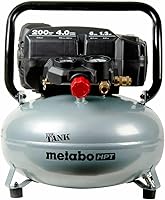
If space in the garage is limited, a pancake or hot dog style tank might fit better. Our pancake vs hot dog compressor breakdown covers the tank shapes.
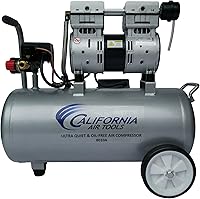
And if quiet operation matters more than portability, a larger unit like the one in our California Air Tools 8010 review can serve as a garage air source. That one is not a trunk kit, so keep a 12-volt portable for the road.
How to choose between the 88P and 300P
Choose by tire size and fill frequency first, then by weight and hose reach. The 300P is the safer pick for anyone with larger tires or a habit of airing down.
Start with your tire diameter. Both handle up to 33 inches, so the 300P's advantage isn't tire size alone; it's the speed and duty cycle on repeated fills.
Then think about how you use it. One slow tire every few months favors the 88P's lighter kit.
A set of four tires after every off-road trip favors the 300P.
Weight matters if you carry the kit far from the car or store it in a tight trunk. The 88P's 4.8 pounds is easier to handle than the 300P's 8.7 pounds.
Hose reach matters on long trucks and trailers. The 300P's 25-foot hose covers more ground from a single spot at the battery.
Both need the engine running, so plan for that either way. Neither runs from the cigarette lighter.
A quick checklist
- Bigger tires or frequent fills: choose the 300P.
- Small car, occasional top-ups: choose the 88P.
- Tight trunk or carrying by hand: choose the 88P.
- Long truck or trailer: choose the 300P.
- Want a longer duty cycle: choose the 300P.
Verdict: which portable compressor should you buy?
The VIAIR 300P is the better pick for most drivers because its 2.30 CFM flow and 33% duty cycle handle bigger tires and repeated fills. The 88P is the right choice for car owners who want a lighter, simpler kit for occasional use.
This VIAIR 88P vs 300P call comes down to how hard you'll work the compressor. The 300P's extra air flow and longer run time make it the more capable kit, and it earns the higher score here.
The 88P still makes sense for compact cars and light trucks. It weighs about 4.8 pounds and covers tires up to 33 inches, which is enough for most everyday top-ups.
Its 20-amp draw and built-in gauge keep the setup simple for a driver who just wants to fix a low tire.
If you air down for trails, tow a trailer or run larger tires, buy the 300P. If you want a small kit for the trunk of a car and the odd low tire, buy the 88P.
Frequently asked questions
Is the VIAIR 300P better than the 88P?
The 300P is the better buy for most drivers because it moves more air (2.30 CFM vs 1.47 CFM) and runs longer between cool-downs. The 88P is lighter and simpler, so it suits small cars and short fills where the extra flow isn't needed.
What is the difference between the VIAIR 88P and 300P?
The 300P has a 150 PSI maximum and a 2.30 CFM free-flow rate with a 33% duty cycle. The 88P tops out at 120 PSI and 1.47 CFM, with a 25-minute duty cycle at 30 PSI.
Both handle tires up to 33 inches.
Can the VIAIR 88P inflate truck tires?
The 88P supports tires up to 33 inches in overall diameter and reaches 120 PSI, so it can top up many truck and SUV tires. For repeated fills or large off-road tires, the 300P's higher flow and longer duty cycle make the job quicker.
Do both VIAIR compressors need the engine running?
The 300P kit calls for the engine running during use for smooth operation. The 88P instructions also have you start the engine before powering on.
Both connect to the battery with alligator clamps, so neither runs from a cigarette lighter.
How much does each VIAIR compressor weigh?
The 300P weighs 8.7 pounds and the 88P weighs about 4.8 pounds. That gap matters if you carry the kit in a small car trunk or haul it to the trail by hand.