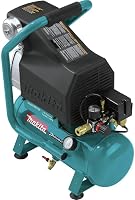
How Do You Drain an Air Compressor Tank?
To drain an air compressor tank, switch it off, unplug it, relieve the pressure as the manual directs, then open the tank drain valve over a safe spot. Close the valve when the air and water stop.
On this page (7 sections)
- How do you drain an air compressor tank step by step?
- How often should you drain an air compressor?
- Why does water come out of an air compressor tank?
- Should you drain the tank with pressure in it?
- Which tools help when draining an air compressor?
- What should you do after draining the tank?
- What is the safest way to drain an air compressor?
To drain an air compressor tank, switch it off, unplug it, relieve pressure as the manual directs, and open the drain valve over a safe spot. Let the air and water escape, then close the valve when the flow stops.
Drain the tank after use to limit moisture buildup. The valve location and procedure vary by compressor, so check its manual before starting.
How do you drain an air compressor tank step by step?
Turn off and unplug the compressor, then drain the tank through its designated valve. Keep the outlet pointed away from you, other people, and electrical equipment.
- Switch off the compressor and unplug its power cord.
- Let the unit cool if it has been running.
- Check the manual for the drain valve location and pressure instructions.
- Place a small container beneath the valve, or direct it toward a safe floor drain.
- Open the valve slowly and let air and water escape.
- Close the valve when the flow stops, without overtightening it.
Some manuals may instruct you to leave pressure in the tank while draining. Others may direct you to release pressure first.
Follow the procedure for your compressor, and never remove a fitting or plug as a shortcut.
How often should you drain an air compressor?
Drain the tank after each use unless the manual specifies a different schedule. This routine helps prevent water from sitting in the tank between jobs.
Check more often if you run the compressor for long periods or work in humid conditions. More moisture may collect during those jobs, so inspect the tank rather than assuming one schedule fits every setup.
For more on moisture and routine maintenance, see our guide to air compressor care and pressure. If you're comparing tank sizes for home projects, whether a 6 gallon air compressor is enough can help you plan.
Why does water come out of an air compressor tank?
Water comes from moisture in the air that collects as compressed air cools. A small amount of water or residue can come out during draining.
The discharge may look dirty or rusty. Keep your hands and face away from the outlet, and direct the spray away from people, pets, and electrical devices.
If you see persistent leaks, a damaged valve, or heavy visible rust, stop using the compressor and consult a qualified repair service. Draining helps remove moisture, but it doesn't fix damage inside the tank.
Should you drain the tank with pressure in it?
Use the pressure procedure in your compressor's manual. Some drain valves release air and water while the tank is pressurized, while other instructions may call for releasing pressure first.
If the manual calls for releasing pressure, use the controls or outlet procedure it describes. Don't loosen the drain valve quickly, remove fittings, or point the outlet toward yourself.
After draining, close the valve firmly but gently. A valve that leaks or won't close should be checked before you run the compressor again.
Which tools help when draining an air compressor?
Most compressor tanks need no special draining tool beyond a container or a safe place for the discharge. A clear view of the valve and access to the manual make the task easier.
The Metabo HPT EC914S is a 6 gallon pancake compressor with a 200 PSI maximum pressure and 4 CFM airflow at 90 PSI.
Use its own manual for the drain location and procedure. If you're also learning to inflate tires, read how to fill tires with an air compressor.
The California Air Tools 8010A has an 8 gallon aluminum tank and an oil-free pump. It operates at 60 dBA.
The ECOMAX 6-Gallon 150 PSI Pancake is a 6 gallon, oil-free compressor with a flip-up handle. It comes with a 25 ft air hose and accessories including a tire pressure gauge, nozzle, and blow gun.
These features don't replace regular tank draining. Check the manual for each compressor's specific steps, even when comparing similar tank styles.
What should you do after draining the tank?
Close the drain valve and check that it isn't leaking before reconnecting power. If the compressor has a moisture trap or filter, follow its care instructions too.
Keep the compressor on a stable surface while draining. For storage, use the manual's guidance on tank pressure, drain-valve position, and any steps needed to protect the unit.
If your compressor won't build pressure after maintenance, see why an air compressor may not build pressure. For oil requirements and care, read whether pancake air compressors need oil.
What is the safest way to drain an air compressor?
Use the drain valve, follow the manual, and keep the discharge pointed away from people and equipment. Drain after use, close the valve gently, and check for leaks before the next job.
If you need a compressor for compact home projects, compare the tank size and accessories on the Metabo HPT, California Air Tools, and ECOMAX options above. For tire work, learn how to fill tires with an air compressor before connecting a hose.
Frequently asked questions
How often should you drain an air compressor tank?
Drain the tank after each use as a simple routine, especially if the compressor has been running for a while or in humid conditions. Follow the manual if it gives a different schedule.
If the tank collects water quickly, check it more often and keep the drain valve clear.
What should come out when you drain an air compressor?
Air and moisture may come out together, and the water can look rusty or dirty as it carries sediment from inside the tank. Keep your face and hands away from the outlet, direct the discharge away from people and electrical equipment, and wait for flow to stop.
Can you drain an air compressor tank under pressure?
Some drain valves release air and water while pressure remains, but the procedure varies by compressor. Check the manual, keep the outlet pointed away from you, and open the valve slowly.
Never remove a fitting or plug to drain a pressurized tank.
Why is water in an air compressor tank a problem?
Moisture can collect inside a tank as compressed air cools, and standing water can contribute to corrosion. Draining the tank helps remove that water, but it doesn't repair existing damage.
If you see a leak, deep rust, or a damaged valve, stop using the compressor and contact a qualified repair service.