Why Won't My Air Compressor Build Pressure?
A compressor that runs but won't build pressure usually has an air leak, an open drain, a blocked intake, or worn pump parts. Unplug it before inspecting anything, and use the manual to guide checks and repairs.
On this page (8 sections)
- Why won't my air compressor build pressure?
- What can you check safely before calling for service?
- Could the drain valve or a leak be the problem?
- Can the intake filter or pump parts prevent pressure buildup?
- Why does pressure rise slowly or stop before the compressor shuts off?
- When should you stop troubleshooting?
- How can you prevent pressure problems?
- What should you do if the compressor still won't build pressure?
A compressor that runs but won't build pressure usually has an air leak, an open drain, a blocked intake, or worn pump parts. Turn it off and unplug it before checking anything, then use the manual to identify the safe inspection points for your model.
Start with the simple checks: make sure the drain is closed, inspect accessible hose connections, and look for a clogged intake filter. If those checks don't explain the problem, stop running the compressor and arrange service rather than opening the pump.
Why won't my air compressor build pressure?
A leak or an open drain is often the first thing to check when a compressor runs but the tank pressure stays low. A dirty intake filter or a failing valve, seal, or other pump part can also prevent pressure from rising.
The gauge gives you a clue. If it barely moves, the pump may not be drawing or compressing air properly; if it rises but stalls or falls, air may be escaping or the pump may not keep up with demand.
These clues don't identify the failed part on their own.
Check whether the compressor is running continuously or cycling off. Don't bypass the pressure switch or safety valve to make it run longer.
What can you check safely before calling for service?
Switch off the compressor, unplug it, and let the tank cool before inspecting it. Follow the manual for releasing stored air, removing covers, and checking any part.
Check these items without opening the pump:
- Drain valve: Confirm it is closed and not visibly damaged.
- Hose and fittings: Look for a loose connection, cracked hose, or audible air leak.
- Intake filter: Check whether it is dirty, loose, or blocked, and clean or replace it only as the manual directs.
- Air demand: Disconnect tools and see whether the compressor can build pressure with no tool drawing air.
- Power supply: Check the plug and outlet using the manual's guidance; don't inspect live wiring.
A soap solution can help reveal leaks at accessible fittings, but keep liquid away from the motor, switch, plug, and other electrical parts. Don't spray it on the compressor or use it where the manual says not to.
If you hear air escaping from inside the pump or tank, see oil or damage, or notice a burning smell, stop. The air compressor tank drain guide explains routine draining, but a drain that won't close or a tank that appears damaged needs service.
Could the drain valve or a leak be the problem?
Yes. A drain valve left open can release air as fast as the pump makes it, and a leak can keep the tank from reaching its shutoff pressure.
Check the drain and accessible connections first.
With the unit unplugged and the tank depressurized as the manual instructs, inspect the drain valve for dirt, damage, or a loose fit. Don't force it closed; a damaged valve may need replacement.
For leaks, listen around the hose, quick couplers, regulator, and fittings when the compressor is operating only if the manual permits this check. Keep hands clear of moving and hot parts.
If you can't locate the leak safely, stop and get help.
Can the intake filter or pump parts prevent pressure buildup?
A blocked intake filter can limit the air entering the pump; worn valves, seals, or other pump parts can stop it from compressing air effectively. Filter access and maintenance steps vary, so follow the compressor manual.
Check only an accessible filter with the unit unplugged. Replace or clean it as directed, and don't run the compressor with a missing filter unless the manual explicitly allows it.
Pump repairs can involve hot parts, stored pressure, and electrical hazards. Don't remove the pump head or try to tighten internal parts unless you're trained and the manual describes the procedure.
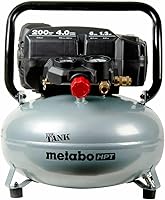
If you're comparing compressors because yours is beyond repair, the Metabo HPT EC914S 6-Gallon Pancake has a 6-gallon tank and delivers 4 CFM at 90 PSI.
Why does pressure rise slowly or stop before the compressor shuts off?
A leak, restricted intake, worn pump parts, or high air demand can make pressure rise slowly or stall. Disconnect tools and accessories, then see whether the compressor builds pressure more normally without them.
A compressor's output and a tool's air use both matter. Compare the tool's required pressure and airflow with the compressor's capabilities; a mismatch can make the tank pressure fall during use even when the compressor works as designed.
The ECOMAX 6-Gallon 150 PSI Pancake has a 6-gallon tank and a stated maximum pressure of 150 PSI. Its pump delivers 3 cubic inches of air at 90 PSI.
For a deeper look at what tank size and airflow mean for your work, read how to choose an air compressor for home use. If you mainly need a compressor for tires, a tire inflator versus air compressor comparison can help you decide which type fits the job.
When should you stop troubleshooting?
Stop and call for service if the compressor won't build pressure after basic checks, runs without stopping, or shows damage, overheating, or unusual noise. Also stop if the problem involves the pressure switch, safety valve, electrical parts, tank, or pump.
Never open a pressurized tank, bypass safety controls, or keep running a compressor that is leaking from the tank. A damaged tank can fail under pressure, so don't try to patch or weld it.
A larger tank doesn't fix a worn pump or a leak, but it may suit longer tool use when the compressor is working properly. The Craftsman 20-Gallon has a 20-gallon tank and a stated maximum pressure of 175 PSI.
How can you prevent pressure problems?
Drain moisture as the manual directs, keep the intake filter clean, and check hoses and fittings for wear. Routine checks can catch a loose connection or blocked filter before it interrupts a job.
Use the correct outlet and follow the compressor's operating limits. For oil-lubricated models, check oil as directed; for oil-free models, follow the specified filter and service schedule.
Our guide to whether pancake air compressors need oil explains the difference.
For your next purchase, compare the tank and airflow with the tools you plan to run. The air compressor size guide can help you match capacity to the job.
What should you do if the compressor still won't build pressure?
If the drain is closed, accessible fittings are secure, the intake is clear, and no tool is drawing air, stop running the compressor and arrange qualified service. Share the model, symptoms, and any pressure readings with the service provider.
Choose a repair if the cause is a serviceable part and the tank is sound. If the tank is damaged or the pump repair is not practical, compare a replacement by airflow, tank capacity, and the tools you'll use.
Frequently asked questions
Why does my air compressor run but not build pressure?
An air leak, open drain valve, blocked intake filter, or worn pump parts can keep a running compressor from building pressure. Turn it off, unplug it, and check the drain, hose connections, and intake filter as the manual allows.
If it still won't build pressure, have it serviced.
Can a bad pressure switch stop a compressor from building pressure?
A faulty pressure switch can affect when a compressor starts or stops, but the symptoms vary by model. Don't adjust the switch or bypass its controls.
Unplug the compressor and check the manual; have a qualified technician inspect electrical or pressure-control faults.
Why does my compressor build pressure slowly?
A small leak, dirty intake filter, or worn pump parts can slow pressure buildup. Check for escaping air around fittings and inspect the filter with the compressor unplugged.
Also compare the task's air demand with the compressor's capacity, since a tool that uses air faster than the pump supplies it can drain pressure.
Is it safe to run an air compressor that won't build pressure?
Stop using it if it runs continuously, overheats, makes unusual noises, or shows damage. Switch it off and unplug it before checking simple items such as the drain or filter.
Don't open the pump, work on live electrical parts, or exceed the manual's repair steps.