How Does a Tire Inflator Work?
How does a tire inflator work? A motor compresses outside air and pushes it through a hose into the tire. Connect it to the valve, set or watch pressure, and stop at the PSI on your vehicle's tire label.
On this page (8 sections)
- How does a tire inflator work inside?
- How do you use an inflator to add air?
- What does the pressure gauge tell you?
- How does power reach a tire inflator's pump?
- Why does a tire inflator get warm and make noise?
- Can a tire inflator work like a shop air compressor?
- What should you do if a tire won't hold air?
- Which tire inflator should you choose?
How does a tire inflator work? It compresses outside air with a motor-driven pump and sends it through a hose into a tire.
Connect the hose to the valve, set or watch the pressure, and stop at the PSI recommended on your vehicle's tire information label.
The pump doesn't create air from nothing. It packs outside air into a smaller space, then pushes it into the tire, raising its pressure.
How does a tire inflator work inside?
A tire inflator works by using a motor to drive an air pump. In a common piston design, the motor moves a piston to draw air in, compress it, and push it toward the hose outlet.
The hose carries compressed air to the tire valve. A firm connection helps limit leaks while the pump runs.
A gauge or electronic sensor measures pressure. Some inflators let you set a target and shut off when they reach it; other models require you to watch the gauge and turn the pump off yourself.
How do you use an inflator to add air?
To add air, check the recommended PSI, connect the hose, and monitor pressure. Find the correct pressure on the vehicle's tire information label or in its owner's manual.
- Park in a safe place and check the tire when it's cold, if possible.
- Remove the valve cap and attach the hose firmly.
- Set the target PSI if your inflator has that control.
- Run the pump and watch the pressure reading.
- Stop at the recommended pressure, remove the hose, and replace the valve cap.
A tire's sidewall shows its maximum pressure, not the target for your vehicle. Follow the vehicle label or manual instead.
For routine checks, see how often you should check tire pressure. If you're choosing a portable model, compare options in our guide to the best tire inflators for a car or garage.
What does the pressure gauge tell you?
The gauge shows how much pressure is inside the tire, often in PSI. Inflators may show pressure on a digital display or an analog gauge, and some have a separate pressure display.
If a reading is hard to see while the pump is running, pause the pump and check again. Tire pressure can be higher after driving than when the tire is cold, so follow your vehicle manual for checking and adjustment guidance.
Some inflators let you choose kPa or bar instead of PSI. Match the unit to your vehicle's recommended value, or convert the number carefully before setting a target.
How does a preset shutoff work on a tire inflator?
A preset shutoff stops the inflator when it reaches the target you selected. It can help prevent overfilling, but you still need the correct target and a secure hose connection.
The Airmoto has a digital gauge, selectable pressure units, and automatic shutoff. It runs on a rechargeable battery and is intended for tires and smaller inflatables, not large-volume items such as air mattresses or paddle boards.
Charge a battery powered inflator before you need it. Cold weather and larger or higher-pressure tires can reduce the Airmoto's battery performance.
How does power reach a tire inflator's pump?
Electricity powers the motor that drives the pump. Portable inflators may use a rechargeable battery, a vehicle connection, or a compatible tool battery, so check how a model is powered before you buy.
A cordless unit is easy to move around the car, but its battery needs to be charged. A 12V compressor uses a vehicle power connection and may have specific engine and connection steps; follow its instructions.
The VIAIR 88P connects with battery clamps and includes a built-in pressure gauge, a 16 ft air hose, a 10 ft power cord, and a twist-on tire chuck. It suits drivers who want a vehicle powered compressor and a longer hose reach.
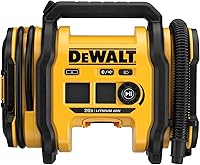
The Milwaukee M18 Inflator 2848-20 is optimized for passenger, light truck, and other medium-duty tires. Its accessories include a brass Schrader chuck, inflation needle, inflator nozzle, and Presta chuck, making it a fit for someone who already uses a compatible M18 battery system.
Skip a cordless model if you don't want to manage charging, and skip a tool-battery model if you don't own its compatible battery system. For a larger air supply for tools or longer jobs, compare air compressors for a home garage.
Why does a tire inflator get warm and make noise?
A tire inflator gets warm and makes noise because its motor and pump are moving air under load. Let it cool if the manual calls for breaks or if it becomes unusually hot, and keep its air openings clear.
Don't leave an inflator running unattended unless its instructions allow it. Inflation time depends on the tire size, starting pressure, and pump airflow, so a small top-up usually takes less time than filling a tire that is far below its recommended pressure.
See how long it takes to inflate a tire for more guidance.
Can a tire inflator work like a shop air compressor?
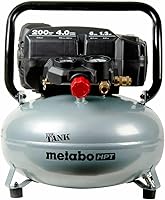
A tire inflator can fill tires and some small items, but it won't suit every job a shop compressor handles. A portable inflator is built for mobility and tire pressure; many tools need a more sustained air supply.
Check the intended use and operating limits before connecting anything beyond a tire. Maximum PSI alone doesn't tell you how much air a compressor can deliver or how long it can run.
For more on the difference, read whether a tire inflator can be used as an air compressor and how to fill tires with an air compressor.
What should you do if a tire won't hold air?
If a tire won't hold air, stop repeatedly topping it up and check for a leak or damage. A puncture, valve problem, or wheel seal issue can let air escape faster than an inflator can replace it.
Don't drive on a tire that looks damaged, is badly underinflated, or has come off the wheel. Contact roadside assistance or a tire shop if you're unsure whether it's safe.
An inflator adds air, but it doesn't repair a puncture or confirm that a tire is safe. Check the pressure again after filling, and follow your vehicle manual if the reading drops.
Which tire inflator should you choose?
Choose a tire inflator by matching its power source, controls, and intended tire use to your needs. A cordless model is convenient for occasional top-ups, while a 12V unit or a tool-battery inflator may fit drivers with those power setups already available.
- Choose the Airmoto if you want a cordless unit with a digital gauge and preset shutoff for vehicle tires and small inflatables.
- Choose the VIAIR 88P if you want battery-clamp power, a built-in gauge, and a longer hose for reaching around a vehicle.
- Choose the Milwaukee M18 Inflator 2848-20 if you already have a compatible M18 battery system and need an inflator optimized for passenger and light truck tires.
- Skip all three for large-volume inflatables or sustained shop-tool use; choose equipment designed for that workload.
Before buying, confirm the inflator suits your tire type and that you can provide its required power. Keep the hose, adapters, and charging or power connections together.
Check the tire when cold, and use the PSI on your vehicle label. For the next step in regular care, read how often to check tire pressure.
Frequently asked questions
How does a tire inflator make air?
A motor drives a pump that draws in outside air and compresses it. The pump sends that air through a hose and valve connection into the tire.
As more air enters, tire pressure rises; a gauge or digital pressure sensor helps you track it.
Does a tire inflator stop automatically?
Some digital inflators let you set a target pressure and shut off when they reach it. Others use a manual on/off switch, so you watch the gauge and stop the compressor yourself.
Check your inflator's controls and confirm pressure with a separate gauge if needed.
Should the car be running while using a tire inflator?
It depends on the inflator's power source and instructions. A battery powered unit can work without the engine running, while a 12V compressor may need a vehicle connection and specific operating steps.
Follow the manual and keep the vehicle safely parked.
Can a tire inflator fill a completely flat tire?
Some inflators can add air to a flat tire, but the time and suitability depend on the tire and pump. A tire that is damaged, came off its rim, or loses air quickly needs inspection.
Don't drive on a tire that may be unsafe.