7 Best Large Air Compressors for a Home Garage (October 2026)
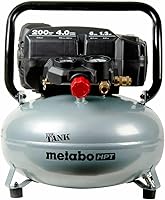
The best large air compressors for a home garage include the Makita MAC2400 Big Bore for compact high-output use, the California Air Tools 20020 for noise-sensitive garages, and the Makita MAC700 Big Bore for space-limited garages.
On this page (5 sections)
The Makita MAC2400 is the best air compressor for a home garage if you want a compact twin-stack unit with 4.2 CFM at 90 PSI. For more stored air and lower stated noise, choose the California Air Tools 20020; the VEVOR 13-Gallon is a quieter middle ground.
The right choice depends on the tools you plan to run, how long they run at a time, and where the compressor will sit. Compare airflow at the tool's working pressure first, then weigh tank size, noise, maintenance and the space needed around the unit.
If you are still deciding between a compact compressor and a larger tank, start with our guide to choosing an air compressor for home use. Our 6-gallon air compressor guide can also help if a 20-gallon tank seems too large.
Our picks at a glance
-
1

-
2

-
3
How we chose large air compressors for a home garage
These picks cover different garage needs: compact storage, larger air reserves, lower noise ratings and lower pump-maintenance demands. We compared airflow at stated pressure, tank capacity, pump type, noise and practical features such as wheels or multiple couplers.
The scores reflect how well each combination fits home-garage use. Airflow matters most when a tool draws air steadily; tank size helps with short bursts but cannot make up for an undersized pump.
How do these garage compressor picks compare?
The Makita MAC2400 is the compact pick, while the California Air Tools, Klutch, Craftsman and Stealth offer 20-gallon tanks. The VEVOR sits between those groups with a 13-gallon tank and the lowest stated noise rating in this roundup.
| Product | Best for | Tank | Airflow | Noise | Our score |
|---|---|---|---|---|---|
| Makita MAC2400 Big Bore | compact high-output use | 4.2 gal | 4.2 CFM at 90 PSI | 79 dB | 8.8 |
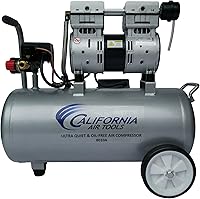
| California Air Tools 20020 | noise-sensitive garages | 20 gal | 5.3 CFM at 90 PSI | 70 dB | 8.7 |
| Makita MAC700 Big Bore | space-limited garages | 2.6 gal | 3.3 CFM at 90 PSI | 80 dB | 8.3 |
| Klutch 20-Gallon | high-pressure storage | 20 gal | 4.2 SCFM at 90 PSI | 8.2 | |
| Craftsman 20-Gallon | dual tool connections | 20 gal | 4 SCFM at 90 PSI | 8.0 | |
| VEVOR 13-Gallon Quiet | quiet mid-size storage | 13 gal | 4.6 SCFM at 90 PSI | 66 dB | 7.7 |
| Stealth 20-Gallon Ultra Quiet | quieter tool changes | 20 gal | 5 CFM at 90 PSI | 68 dB | 7.6 |
Which large air compressor fits your garage?
Choose among these seven models by starting with your regular tools and the available floor space. The picks are ordered by score, from compact high output to quiet wheeled capacity.
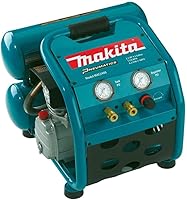
Makita MAC2400 Big Bore: Best for compact high-output use
- 4.2 CFM at 90 PSI
- 4.2-gallon twin-stack tank
- Oil-lubricated cast-iron pump
- 79 dB noise rating
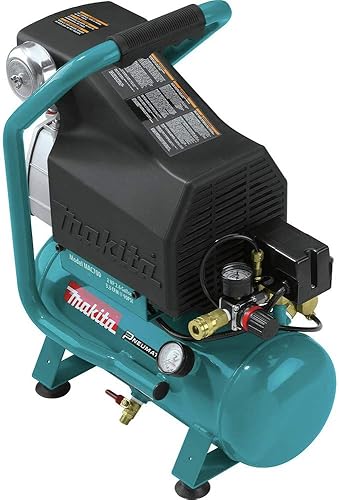
The MAC2400 pairs 4.2 CFM at 90 PSI with a 4.2-gallon twin-stack tank. Its cast-iron, oil-lubricated pump and roll-cage construction suit a garage where compact storage and pump durability matter.
Pros
- 4.2 CFM at 90 PSI
- Cast-iron pump
- Roll-cage construction
Cons
- Smaller tank than the 20-gallon picks
- Oil-lubricated pump requires oil care
The Makita MAC2400 pairs a 4.2-gallon twin-stack tank with 4.2 CFM at 90 PSI. Its 2.5 HP motor and 12.3 amp draw are useful details when checking whether your garage circuit is suitable.
The cast-iron Big Bore pump is oil-lubricated, and Makita describes its design as supporting faster recovery and lower noise. Roll-cage construction protects the unit, and its stated noise rating is 79 dB.
Pick it if you need useful airflow in a compact footprint and are comfortable with oil care. Skip it if you want a large air reserve for longer tool use; a 20-gallon model is a better fit for that need.
California Air Tools 20020: Best for noise-sensitive garages
- 20-gallon tank
- 5.3 CFM at 90 PSI
- 70 dB noise rating
- Oil-free dual-piston pump
This 20-gallon model combines 5.3 CFM at 90 PSI with a 70 dB noise rating. Its oil-free dual-piston pump and wheels suit a garage where quiet operation and stored air are priorities.
Pros
- 20-gallon tank
- 70 dB noise rating
- Oil-free pump
Cons
- Weighs 114 lb
- Larger footprint than compact compressors
The California Air Tools 20020 combines a 20-gallon tank with 5.3 CFM at 90 PSI. Its 70 dB noise rating and oil-free dual-piston pump make it a strong fit for a home garage where noise and regular pump care matter.
It has wheels for repositioning and weighs 134 lb according to its specifications. The stated current draw is 14 amps, so check your outlet and circuit before settling on a location.
Choose it if you want substantial stored air, lower stated noise than the other 20-gallon options here, and an oil-free pump. Skip it if you need to lift or carry a compressor often, since this is a heavy wheeled unit.
For a closer look at another compressor from the brand, read our California Air Tools 8010A review.
Makita MAC700 Big Bore: Best for space-limited garages
- 3.3 CFM at 90 PSI
- 2.6-gallon tank
- Oil-lubricated cast-iron pump
- 80 dB noise rating
The MAC700 has a 2.6-gallon hot-dog tank and delivers 3.3 CFM at 90 PSI. Its smaller capacity and oil-lubricated Big Bore pump make it a fit for buyers who value a compact unit over a long air reserve.
Pros
- Smaller tank and form than 20-gallon models
- Cast-iron Big Bore pump
- 3.3 CFM at 90 PSI
Cons
- Less stored air than larger-tank options
- Oil-lubricated pump requires oil care
The Makita MAC700 combines a 2.6-gallon tank with 3.3 CFM at 90 PSI. Its hot-dog shape and cast-iron Big Bore pump make it an option for a garage where storage space is tight.
The pump is oil-lubricated, so factor oil checks into routine care. Its 80 dB rating is similar to several of the larger models, while its smaller tank stores less air for repeated tool use.
Choose it for inflation, short bursts of air and occasional tool use when a compact footprint matters most. Skip it if your regular tools need more than 3.3 CFM at 90 PSI or run for long stretches.
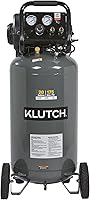
Klutch 20-Gallon: Best for high-pressure storage

- 20-gallon tank
- 4.2 SCFM at 90 PSI
- 175 PSI maximum pressure
- Oil-free pump
The Klutch combines a 20-gallon tank with 4.2 SCFM at 90 PSI and a stated 175 PSI maximum. Its oil-free pump, wheels and handle suit buyers seeking a mobile large-tank garage compressor.
Pros
- 20-gallon tank
- 175 PSI maximum pressure
- Oil-free pump
Cons
- 80 dB noise rating
- Requires room for a wheeled tank
The Klutch 20-Gallon combines a 20-gallon tank with 4.2 SCFM at 90 PSI and a stated 175 PSI maximum. Its oil-free pump reduces routine pump maintenance.
Large rubber wheels and an ergonomic handle help with repositioning, while rubber foot stabilizers are designed to reduce vibration. It weighs 90 lb and has an 80 dB noise rating.
Choose it if a wheeled tank and high maximum pressure suit your setup. Skip it if the compressor needs to fit in a small storage area or noise near living space is a major concern.
Craftsman 20-Gallon: Best for dual tool connections

- 20-gallon tank
- 4 SCFM at 90 PSI
- 175 PSI maximum pressure
- Two quick couplers
The Craftsman offers a 20-gallon tank, 4 SCFM at 90 PSI and two quick couplers. Its oil-free pump and rubber wheels suit a garage where multiple tool connections are useful.
Pros
- Two quick couplers
- 20-gallon tank
- Oil-free pump
Cons
- 80 dB noise rating
- Large tank needs floor space
The Craftsman 20-Gallon offers a 20-gallon tank, 4 SCFM at 90 PSI and two quick couplers. Its oil-free pump avoids routine pump oil checks, and rubber wheels help move it around the garage.
The two couplers provide separate connection points, but they do not increase the compressor's airflow. Its stated maximum pressure is 175 PSI, and its noise rating is 80 dB.
Pick it if you want two connections ready for different tools or work areas. Skip it if you need stronger airflow than 4 SCFM at 90 PSI or do not have floor space for a wheeled tank.
VEVOR 13-Gallon Quiet: Best for quiet mid-size storage

- 13-gallon tank
- 4.6 SCFM at 90 PSI
- 66 dB noise rating
- Oil-free pump
The VEVOR pairs a 13-gallon tank with 4.6 SCFM at 90 PSI and a 66 dB noise rating. Its oil-free pump and wheels suit a buyer who wants more stored air than a compact compressor without a 20-gallon tank.
Pros
- 66 dB noise rating
- 4.6 SCFM at 90 PSI
- Oil-free pump
Cons
- Smaller tank than the 20-gallon picks
- Maximum pressure is 125 PSI
The VEVOR 13-Gallon Quiet pairs a 13-gallon tank with 4.6 SCFM at 90 PSI. Its stated noise rating is 66 dB, and its oil-free pump avoids routine pump oil checks.
Two 7-inch rubber wheels and a 71 lb weight make it more manageable to reposition than the heavier 20-gallon options. Its maximum pressure is 125 PSI, so compare that figure with the requirements of your tools.
Choose it if you want more stored air than the compact Makita models without stepping up to a 20-gallon tank. Skip it if your tools need pressure above 125 PSI or you want the longest air reserve in this group.
Stealth 20-Gallon Ultra Quiet: Best for quieter tool changes

- 20-gallon tank
- 5 CFM at 90 PSI
- 68 dB noise rating
- Oil-free pump
The Stealth has a 20-gallon tank, 5 CFM at 90 PSI and a 68 dB noise rating. Its oil-free pump, wheels and two quick couplers suit a garage where a larger air reserve and quieter operation matter.
Pros
- 20-gallon tank
- 5 CFM at 90 PSI
- Two quick couplers
Cons
- Weighs 121.4 lb
- Maximum pressure is 150 PSI
The Stealth 20-Gallon combines a 20-gallon tank with 5 CFM at 90 PSI and a 68 dB noise rating. Its oil-free pump, wheels and two quick couplers suit garages that use several air tools.
It weighs 121.4 lb and has a stated maximum pressure of 150 PSI. The two couplers make switching between connections easier, though the compressor's airflow remains the limit for simultaneous demand.
Choose it if you want a large air reserve with a lower stated noise rating than the 80 dB options. Skip it if you need a lighter unit to move frequently or tools that require pressure above 150 PSI.
For more options where noise is a priority, see our guide to quiet air compressors for a home garage.
What should you check before buying a garage compressor?
Match airflow to your tools before comparing tank size or horsepower. Then check working pressure, electrical needs, noise, footprint, pump care and how you will move the compressor.
How much airflow does a home garage need?
Choose a compressor with enough CFM at the working pressure your tool requires. A tool that runs in short bursts may tolerate a smaller tank and slower recovery than one that runs steadily, but the pump still needs to keep up with the tool's air demand.
Compare figures at the same PSI. The MAC2400 provides 4.2 CFM at 90 PSI, the California Air Tools 20020 provides 5.3 CFM at 90 PSI, and the Stealth provides 5 CFM at 90 PSI.
Do not add the CFM of multiple tools and assume a compressor can supply them at once. If you plan to use tools together, check their combined demand and choose a compressor whose output can support it.
Is a 20-gallon tank better than a compact compressor?
A 20-gallon tank stores more air than the Makita MAC700's 2.6-gallon tank or the MAC2400's 4.2-gallon tank. That larger reserve can help with short, repeated bursts, but it does not raise the pump's CFM.
A compact compressor is easier to fit into a crowded garage and can suit inflation, cleaning or brief nailing jobs. Choose a 20-gallon model when the work area has room and your tasks benefit from more stored air between recovery cycles.
If you mainly inflate vehicle tires, a full-size shop compressor may be more than you need. Compare the smaller options in our guide to tire inflators for a home or car.
Does a quieter compressor matter in a home garage?
A lower noise rating can make a compressor easier to live with when the garage shares walls with living space or you work nearby. The VEVOR is rated at 66 dB, the Stealth at 68 dB and the California Air Tools 20020 at 70 dB.
These figures help compare the models, but where you place the compressor also matters. Set it away from doors and shared walls when possible, and leave room around it for airflow, controls and care.
If noise is your top concern, compare the picks in our quiet air compressor guide. A quiet rating does not remove the need to check airflow and pressure against your tools.
Should you choose an oil-free or oil-lubricated pump?
An oil-free pump avoids routine pump oil checks, while an oil-lubricated pump needs oil care. The Klutch, Craftsman, VEVOR, Stealth and California Air Tools models are oil-free; both Makita models use oil-lubricated pumps.
Choose based on the upkeep you are willing to do, then compare airflow, noise and tank size. Our oil-free vs oil-lubricated compressor guide explains the trade-offs.
Will the compressor work with your garage power supply?
Check the unit's voltage and current draw alongside the outlet and circuit you plan to use. The MAC2400 lists a 12.3 amp draw, while the California Air Tools 20020 lists 14 amps; an extension cord or shared circuit may affect where and how you can run a compressor.
Place the compressor near a suitable outlet and avoid routing a hose or cord where it creates a trip hazard. If you are unsure whether your circuit is suitable, have a qualified electrician check it before use.
How should you set up and care for a garage compressor?
Set the compressor on a stable, level area with space around the controls and tank drain. Follow the model's manual for first use, electrical connection, pressure adjustment and any pump-specific steps.
For an oil-lubricated model, check the oil as directed and use the specified oil. For every tank, drain collected moisture at the interval in the manual; our guide to draining an air compressor tank covers why this belongs in regular care.
Before connecting a tool, use a hose and fittings that match its connection, set the regulator to the tool's required pressure, and secure the hose. Shut the compressor off before changing fittings or doing maintenance, and release pressure only as the manual directs.
What mistakes make a garage compressor harder to use?
The most common buying mistake is choosing by tank size alone. A large tank cannot compensate for airflow below a tool's needs, and a high maximum PSI does not mean every tool can use that pressure.
Another mistake is ignoring the compressor's footprint, weight and sound. Measure the intended space, plan how a wheeled unit will reach its work area, and leave access for tank drainage and routine checks.
Avoid setting the regulator by guesswork or using a tool above its pressure rating. Check the tool instructions, use compatible fittings, and drain the tank as directed rather than leaving moisture inside between jobs.
Which air compressor is best for your home garage?
Choose the Makita MAC2400 if you want compact storage with 4.2 CFM at 90 PSI and accept oil care. Pick the California Air Tools 20020 for a quieter 20-gallon setup, or the VEVOR 13-Gallon when you want a smaller wheeled tank with a lower stated noise rating.
For a 20-gallon model with 175 PSI maximum pressure, compare the Klutch and Craftsman; choose the Stealth for its 5 CFM at 90 PSI and two couplers. Check your tools' CFM and PSI, confirm the circuit and available floor space, then use our guide to choosing the best air compressor for home garage use.
Our top 3 picks at a glance
-
1
-
2
-
3
Frequently asked questions
What size air compressor is best for a home garage?
Choose a compressor by matching its airflow at your tool's working pressure, then consider tank size, noise and where it will sit. A 20-gallon tank stores more air than a compact tank, but airflow still matters when a tool runs continuously.
Check each tool's CFM and PSI needs before choosing.
Is a 20-gallon air compressor enough for a home garage?
A 20-gallon compressor can suit many garage tasks, including inflation, cleaning and intermittent tool use. The California Air Tools 20020, Klutch, Craftsman and Stealth each pair that tank capacity with different airflow and noise figures.
For a specific tool, compare its required CFM at working PSI with the compressor output.
How much CFM do I need for garage air tools?
The needed CFM depends on the tool and whether it runs continuously. Compare the tool's CFM requirement at its working pressure with the compressor's CFM at that same PSI, and leave room for demand if several tools may run in sequence.
A bigger tank does not replace adequate airflow.
Should I choose an oil-free or oil-lubricated compressor?
An oil-free compressor avoids routine pump oil checks, while an oil-lubricated pump needs oil care. The picks here include both types, so weigh maintenance preference alongside airflow, tank size and noise.
For a closer comparison, read our oil-free vs oil-lubricated compressor guide.
Can a large air compressor run in a home garage?
Yes, if you have a suitable electrical outlet, enough floor space and a plan for operating noise and tank drainage. Check the compressor's current draw and dimensions, then leave access for controls and routine care.
Our guide to draining an air compressor tank explains why drainage belongs in your maintenance routine.