How Can You Make an Air Compressor Quieter?
To quiet an air compressor, check for rattles, reduce vibration, and move it farther from your work area while keeping its cooling airflow clear. If those changes are not enough, compare quieter compressors by noise level, tank size, and the work you need to do.
On this page (7 sections)
- How can you quiet an air compressor without blocking airflow?
- Can moving a compressor farther away make it quieter?
- Should you build a sound barrier around an air compressor?
- What should you check when choosing how to quiet an air compressor?
- What setup and care habits help keep compressor noise down?
- What mistakes make an air compressor seem louder?
- How do you decide which noise solution is right?
To quiet an air compressor, reduce vibration, move it farther from your work area, and keep any sound barrier clear of cooling airflow. If a compressor suddenly gets louder, check for rattling parts and changes in how it runs before assuming the motor is simply noisy.
Start with the setup you already have. A stable position and a clear path for hoses can make the compressor less disruptive without limiting its airflow.
More distance from your work spot can also help. If those changes aren't enough, choose a quieter model based on the tools you use and how much stored air your work needs.
How can you quiet an air compressor without blocking airflow?
Start by checking how the compressor sits and what touches it. Vibration can travel through a floor or nearby surface, while loose parts and a hose striking the tank can add rattles to normal motor noise.
Turn the compressor off and let it cool before checking around it. Put it on a stable, level surface, then look for loose exterior panels or fittings.
Check for objects resting against the tank, too. Move nearby items and route hoses so they don't knock against the compressor or a wall.
A vibration pad may help reduce sound carried through the floor, but use one only if the compressor manual allows it. Keep the compressor steady, and leave its feet, wheels, intake, and cooling openings unobstructed.
Give the compressor enough space for air to move around it. Don't cover it with blankets or foam, and don't run it inside a tight cabinet unless the manual specifically allows that setup.
Can moving a compressor farther away make it quieter?
Yes, placing the compressor farther from your work area can reduce how disruptive its sound is at your position. If your hose reaches, put the unit in a separate open area and route the hose to the tool without creating a trip hazard.
Keep the compressor somewhere you can see and reach its controls. Don't place it in wet weather or a closed room without checking the manual's requirements for where it can operate.
Consider the task before adding hose length. A longer hose can help you position the compressor farther away, but use one that fits your compressor and tool, and check whether the extra length affects the tool's performance.
For tire work, see our guide to filling tires with an air compressor. If you only need to inflate tires, compare that setup with using a tire inflator as an air compressor.
Should you build a sound barrier around an air compressor?
A barrier can help when it sits between you and the compressor without blocking airflow. A wall or freestanding sound panel can interrupt some direct noise while leaving the compressor open to draw air and shed heat.
Don't wrap the compressor in sound-absorbing material or build a sealed box around it. Trapped heat and restricted airflow can cause problems, and an enclosure can also make it harder to reach the controls or service the unit.
If a barrier doesn't fit your space, try changing the compressor's position instead. For more ways to compare models by their stated noise levels and intended uses, see our guide to quiet air compressors for a home garage.
What should you check when choosing how to quiet an air compressor?
Choose between setup changes and a quieter compressor based on what is causing the disruption and what work you do. A rattle or vibration calls for an inspection and a steadier setup, while steady motor noise may call for more distance, a barrier, or a different unit.
If you're comparing compressors, look at the stated decibel level alongside tank capacity, airflow, portability, and the tools you plan to run. A noise figure helps you compare models, but it doesn't predict exactly how loud a compressor will seem in your room.
Your floor, nearby walls, and distance from the machine affect what reaches your ears.
Tank capacity and airflow matter because a quieter compressor still needs to keep up with your work. A compact tank can suit brief or intermittent tasks, but it may need to recover more often during demanding work.
A larger tank can store more air, though it takes up more space.
Don't choose by decibel level alone. Check whether the compressor has the tank size and airflow your tools require.
Make sure you can place it where its intake and cooling path remain clear. For help matching those needs, read how to choose an air compressor for home use.
Which models can help with how to quiet an air compressor?
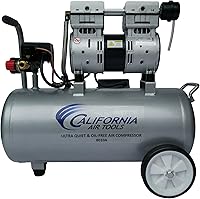
The California Air Tools 8010A suits a garage where you want a quieter compressor with a larger tank and wheels. It operates at 60 dBA and has an 8-gallon aluminum tank, so it offers more stored air than the two smaller options here.
The wheel kit and 37.25 lb weight make it easier to move around a workspace than a fixed setup. You still need room for safe operation.
Choose it when the larger tank fits your projects and storage space. Skip it if you need a small unit that you can carry between work areas or if its airflow and capacity don't match your tools.
For more detail on its features, read our California Air Tools 8010A review.
The California Air Tools 2010A fits users who want the same stated 60 dBA noise level in a smaller tank size. Its 2-gallon aluminum tank makes it a practical comparison for compact work areas and shorter tasks.
At 35 lb, it's still a compressor you need to move deliberately rather than a small handheld inflator. Choose it when its smaller tank suits your work and you want an oil-free design.
Skip it if your tools need more stored air or you expect long, demanding runs.
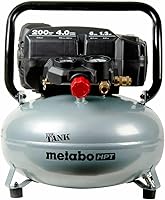
The Metabo HPT EC28M suits light work where carrying the compressor matters. It operates at 59 dB and has a 1-gallon tank, a rubber carrying handle, a steel roll cage, and a universal quick coupler.
Its compact size and 25.2 lb weight make it easier to carry between work areas. Its quick coupler supports fast tool changes.
Choose it for portable work with compatible tools. Skip it if your projects call for a larger tank or more stored air.
See our Metabo HPT EC914S review for another compressor option, or compare pancake and hot dog compressors if tank style is part of your decision.
What setup and care habits help keep compressor noise down?
A stable setup and routine inspection can prevent avoidable rattles and catch changes early. Follow the manual for safe placement, operation, and service, since the right steps vary by compressor.
Before use, check that the compressor sits steadily and that hoses and nearby objects aren't touching it in a way that could cause rattling. Keep its air openings clear, and route the hose away from walkways and sharp edges.
If you move the unit, check its position again before starting it.
When the compressor is off, follow the manual's instructions for draining moisture and routine checks. Don't open electrical or pressurized parts unless you are qualified and the manual gives you a safe procedure.
For tank moisture, see how to drain an air compressor.
A compressor that becomes louder can have a different issue from one that has always been noisy. Stop and inspect it if the new sound comes with strong vibration, a leak, a burning smell, or trouble building pressure.
If the cause isn't clear, contact the manufacturer or a qualified repair shop.
What mistakes make an air compressor seem louder?
The most common mistakes are blocking airflow, ignoring rattles, and placing the compressor where sound travels through the room. Correct those issues before spending money on soundproofing or replacing the unit.
Don't cover vents or put the compressor in a sealed cabinet. Don't let hoses knock against the tank, and don't assume a soft pad is safe if it makes the unit unstable or blocks its feet.
If you add a sound barrier, check that air can still reach the compressor and carry heat away.
Avoid putting the compressor somewhere you can't monitor or reach easily. A distant location only helps if you can operate it safely and route the hose without a trip hazard.
If pressure is also a concern, see why an air compressor won't build pressure.
How do you decide which noise solution is right?
Fix a loose or unstable setup first, add distance if your space and hose allow it, and choose a quieter compressor when steady motor noise remains a problem. Use a barrier only where you can keep airflow open.
For portable, light work, the Metabo HPT EC28M is the smallest option here. Choose the California Air Tools 2010A if you want a 2-gallon tank, or the 8010A if you need an 8-gallon tank and wheels for a garage workspace.
If you're replacing your compressor, compare its noise rating with the tank capacity, airflow, and tool requirements that matter for your projects. For a broader set of options, see quiet air compressors for a home garage.
Frequently asked questions
What is the best way to quiet an air compressor?
First check for loose panels, a rattling hose, or a compressor vibrating against its surface. Set it on a stable floor, add a vibration pad if its manual permits one, and move it farther from your work area while keeping its intake and cooling airflow clear.
Can I put a box around my air compressor to reduce noise?
Only use an enclosure if the compressor manual allows it and the design provides enough ventilation and access. A tight box can trap heat, block air intake, or restrict cooling.
A sound barrier placed between you and the compressor is a safer option when it doesn't block airflow.
Does a longer air hose make a compressor quieter?
A longer hose can let you place the compressor farther away, which may reduce the noise reaching your work area. Use a hose that fits the tool and compressor, and check whether the added length affects tool performance.
Keep the hose clear of walkways and sharp edges.
Should I repair a compressor that suddenly gets louder?
Stop using it if the new noise comes with strong vibration, burning smells, leaks, or trouble building pressure. Check the manual for routine inspection steps, and contact the manufacturer or a qualified repair shop if the cause isn't clear.
Don't open electrical or pressurized parts unless qualified.