What Size Air Compressor Do You Need to Blow Out Sprinklers?
For how big of an air compressor is needed to blow out sprinklers, match delivered airflow to your irrigation system's requirements and control pressure within its limit. Tank size alone can't determine whether a compressor is suitable.
On this page (8 sections)
- How big of an air compressor is needed to blow out sprinklers?
- Is a 6 gallon air compressor enough to blow out sprinklers?
- Why do airflow and pressure both matter?
- Do these 20 gallon compressors fit the job?
- How should you prepare for a sprinkler blowout?
- How do you blow out sprinkler zones safely?
- What mistakes should you avoid when sizing a compressor for sprinkler blowout?
- Which air compressor should you choose for sprinkler blowout?
For how big of an air compressor is needed to blow out sprinklers, match its delivered airflow to your irrigation system's needs and keep pressure within the system's limit. A large tank or high maximum PSI doesn't prove a compressor is right for the job.
Check the compressor's CFM at the pressure you'll use, then compare it with the system maker's requirements. If you can't find those requirements or the safe pressure limit, ask the manufacturer or an irrigation professional before connecting a compressor.
How big of an air compressor is needed to blow out sprinklers?
Choose a compressor that meets your system's airflow needs at controlled pressure. There isn't one tank size that fits every sprinkler layout.
CFM measures airflow at a stated pressure. Compare the compressor's CFM at the working pressure, since figures measured at different pressures aren't directly interchangeable.
If the irrigation instructions specify an airflow range or a procedure, use those as your guide.
Tank capacity measures stored air, not how quickly a compressor can keep supplying it. A larger tank can provide a longer initial burst, while the pump's delivered airflow affects recovery between bursts.
For help comparing those measures, see what size air compressor you need.
Your system's size and design also matter. A layout with several zones may need a different approach from a small system, but don't guess at a pressure or airflow target from the number of zones alone.
Use the irrigation maker's directions for the equipment you have.
Is a 6 gallon air compressor enough to blow out sprinklers?
A 6 gallon compressor may provide short bursts, but the tank size alone can't confirm that it can clear your zones. Check its delivered CFM at the working pressure and how it recovers as tank pressure falls.
A compressor's tank can empty faster than its pump replaces air. If it can't maintain the flow your system calls for, you may need to pause for recovery or choose a compressor with more suitable output.
The right answer depends on your specific system and compressor, not the gallon figure alone.
For more on what a small tank can handle around the house, read whether a 6 gallon air compressor is enough for home use. Use that as general compressor context, then check your irrigation system's own requirements.
Why do airflow and pressure both matter?
Airflow moves water through a zone, while pressure must stay within the system's limit. A higher maximum PSI doesn't make a compressor safer or better for sprinkler blowout.
Sprinkler heads, pipes, fittings, and valves can have pressure limits. Follow the irrigation maker's instructions, connect a regulator, and monitor pressure while working.
Don't use the compressor's maximum rating as your target.
CFM also needs context. A compressor may have one airflow rating at a lower pressure and a different rating at a higher one.
Compare the figure that matches the pressure you'll actually use.
What CFM should you look for when choosing an air compressor for sprinkler blowout?
Use the airflow requirement from your irrigation system at its recommended blowout pressure. If the instructions don't give an airflow requirement, ask the manufacturer or a qualified irrigation professional rather than guessing.
The three compressors below have published airflow and pressure figures you can compare. Those figures help you understand the equipment, but they don't determine whether a specific model suits your sprinkler system.
Do these 20 gallon compressors fit the job?
Consider a 20 gallon compressor only if its airflow fits your system's needs and its output can be regulated safely. These options have different noise, airflow, and pressure characteristics, so weigh those details against how you'll use the compressor beyond sprinkler care.
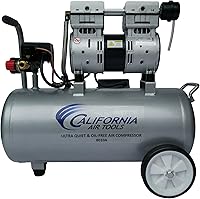
The California Air Tools 20020 suits a buyer who wants a quieter, oil-free compressor for a garage or workshop. It has a 2 HP motor, a 20 gallon tank, 5.3 CFM at 90 PSI, and a maximum pressure of 125 PSI.
Wheels make it easier to move around, though the compressor weighs 114 pounds.
Choose it if lower noise and the extra airflow among these three matter for your broader home projects. Skip it if you need a light compressor to carry or if its airflow doesn't meet your irrigation system's instructions.
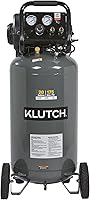
The Klutch 20-Gallon is a practical fit for someone who wants a wheeled, oil-free compressor for a shop or garage. It weighs 90 pounds, has a 2 HP motor, and reaches a maximum pressure of 175 PSI.
Its higher maximum pressure is not a sprinkler blowout setting. Choose it for general shop use if its output fits your other tools and the compressor can be regulated for your irrigation system.
Skip it if you need a quieter machine, since its noise level is 80 dB, or if its airflow falls short of your system's requirement.
The Craftsman 20-Gallon suits buyers who want one compressor for inflation, cleaning, and compatible nailers or other listed tools. It has a 1.8 HP motor, a 20 gallon tank, oil-free pump, and dual quick couplers.
Choose it if those garage tasks are a priority and its airflow matches the sprinkler system's needs. Skip it if your system calls for more airflow or if you don't need the dual couplers.
Its 175 PSI maximum is a compressor limit, not the pressure to apply to sprinkler lines.
For a wider overview of compressors by task, browse the compressors by job guide. If you plan to use the compressor for several household jobs, how to choose an air compressor for home use covers other selection factors.
How should you prepare for a sprinkler blowout?
Read your irrigation system's instructions before connecting a compressor. Find the correct connection point, pressure limit, and sequence for operating each zone.
Gather the hose, fittings, and regulator required for the system. Check that the connections fit securely and that you can adjust and monitor pressure before opening a zone.
Confirm the compressor and outlet are suitable for the intended setup.
Clear people, pets, and loose items from the area around sprinkler heads. Keep your face and hands away from outlets while air is flowing.
Stop if a fitting leaks, a component acts unexpectedly, or you can't keep pressure under control.
How do you blow out sprinkler zones safely?
Follow the system maker's procedure and work one zone at a time. Keep to the recommended pressure and cycle duration, and stop when the instructions say the zone is clear.
Don't leave the compressor running unattended or raise pressure to force out remaining water. More pressure can put stress on parts that aren't designed for it.
If you can't confirm the right procedure or pressure limit, have a qualified irrigation service handle the work.
After use, disconnect the air supply safely and follow the compressor maker's care instructions. Draining condensation from a compressor tank is routine maintenance; see how to drain an air compressor tank for general guidance.
What mistakes should you avoid when sizing a compressor for sprinkler blowout?
Don't pick by tank gallons or maximum PSI alone. Check delivered CFM at the working pressure and compare it with the system's instructions.
A second mistake is assuming all CFM figures mean the same thing. Note the pressure paired with each rating, and compare like with like.
Also account for recovery if the compressor will be supplying air continuously or through multiple zones.
Finally, don't compensate for a weak airflow match by exceeding the sprinkler maker's pressure limit. If the compressor can't meet the system's needs within that limit, use a suitable service or a compressor that fits the requirements.
Which air compressor should you choose for sprinkler blowout?
Pick the compressor whose delivered CFM meets your irrigation system's needs while its pressure stays within the maker's limit. For several garage jobs, choose among the California Air Tools, Klutch, and Craftsman based on their airflow, noise, portability, and tool connections.
The California Air Tools 20020 is the strongest fit among these three when lower noise and its 5.3 CFM at 90 PSI matter for other work. The Klutch makes sense if you value a lighter wheeled compressor and its 4.2 SCFM at 90 PSI suits your tools.
The Craftsman is a sensible garage option if its 4 SCFM at 90 PSI and dual couplers fit your projects.
For the sprinkler job itself, compare those airflow figures with your system's requirements and use a regulator. That is how to decide how big of an air compressor is needed to blow out sprinklers without treating tank capacity or maximum PSI as the answer.
Frequently asked questions
Is a 6 gallon air compressor enough to blow out sprinklers?
A 6 gallon tank may supply short bursts, but capacity alone can't show whether it delivers enough airflow for your zones. Check its CFM at the pressure you plan to use, your irrigation system's requirements, and the compressor's recovery.
Follow the system maker's pressure limit.
What PSI should I use to blow out sprinklers?
Use the pressure limit specified by your irrigation system or sprinkler manufacturer. Don't assume a compressor's maximum PSI is safe for the system.
Use a regulator and monitor pressure while clearing each zone.
Is CFM or tank size more important for sprinkler blowout?
CFM at the working pressure is the better measure of whether a compressor can keep air moving through a zone. Tank size affects how much air is stored before recovery, but a larger tank doesn't guarantee enough delivered airflow.
Can I use a 20 gallon compressor for sprinkler blowout?
A 20 gallon compressor may be a candidate, but suitability depends on its delivered CFM, pressure control, and the irrigation system's requirements. Compare those details and follow the sprinkler maker's instructions before connecting a compressor.